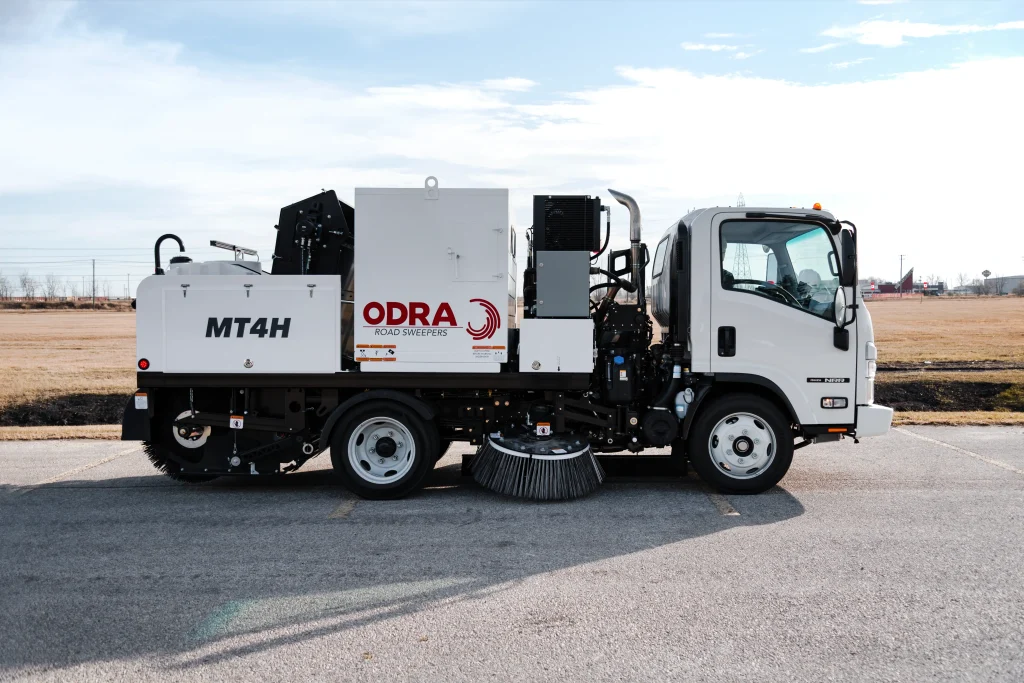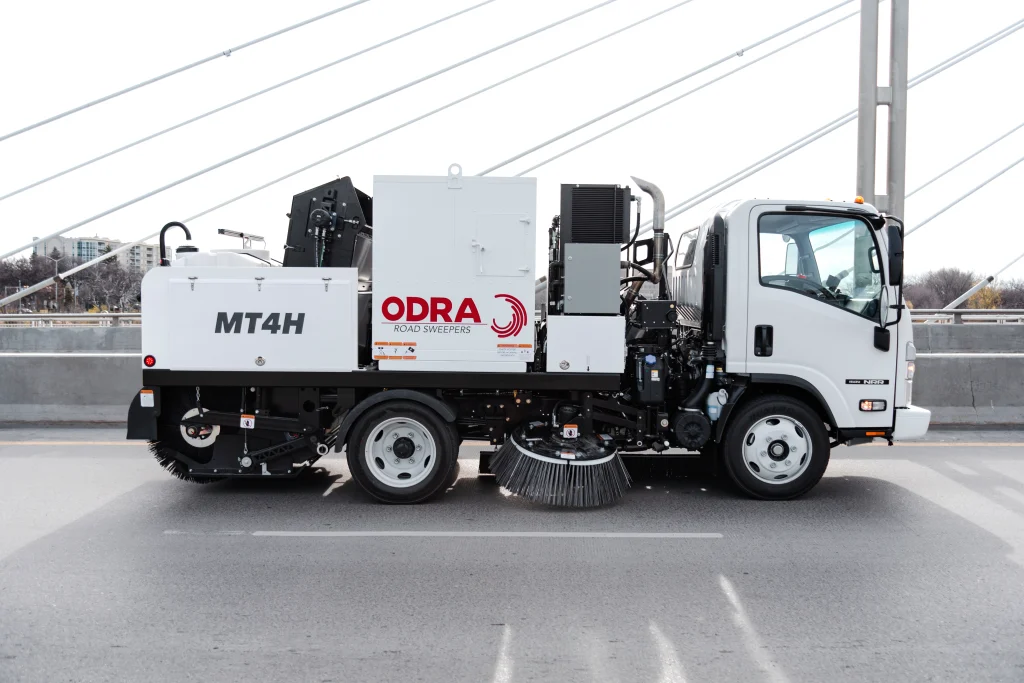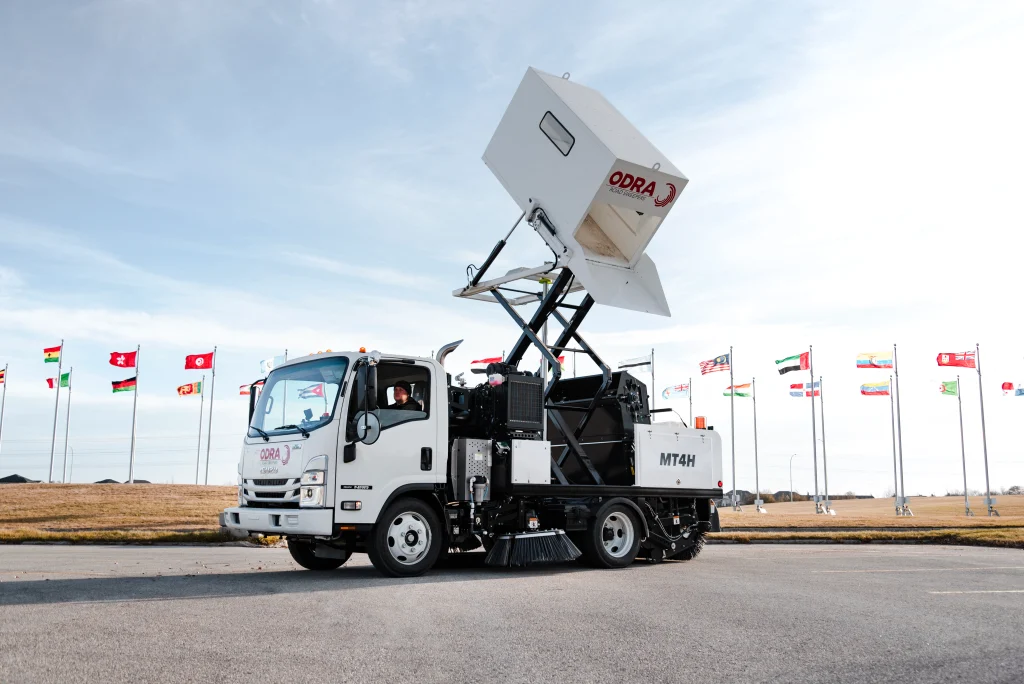



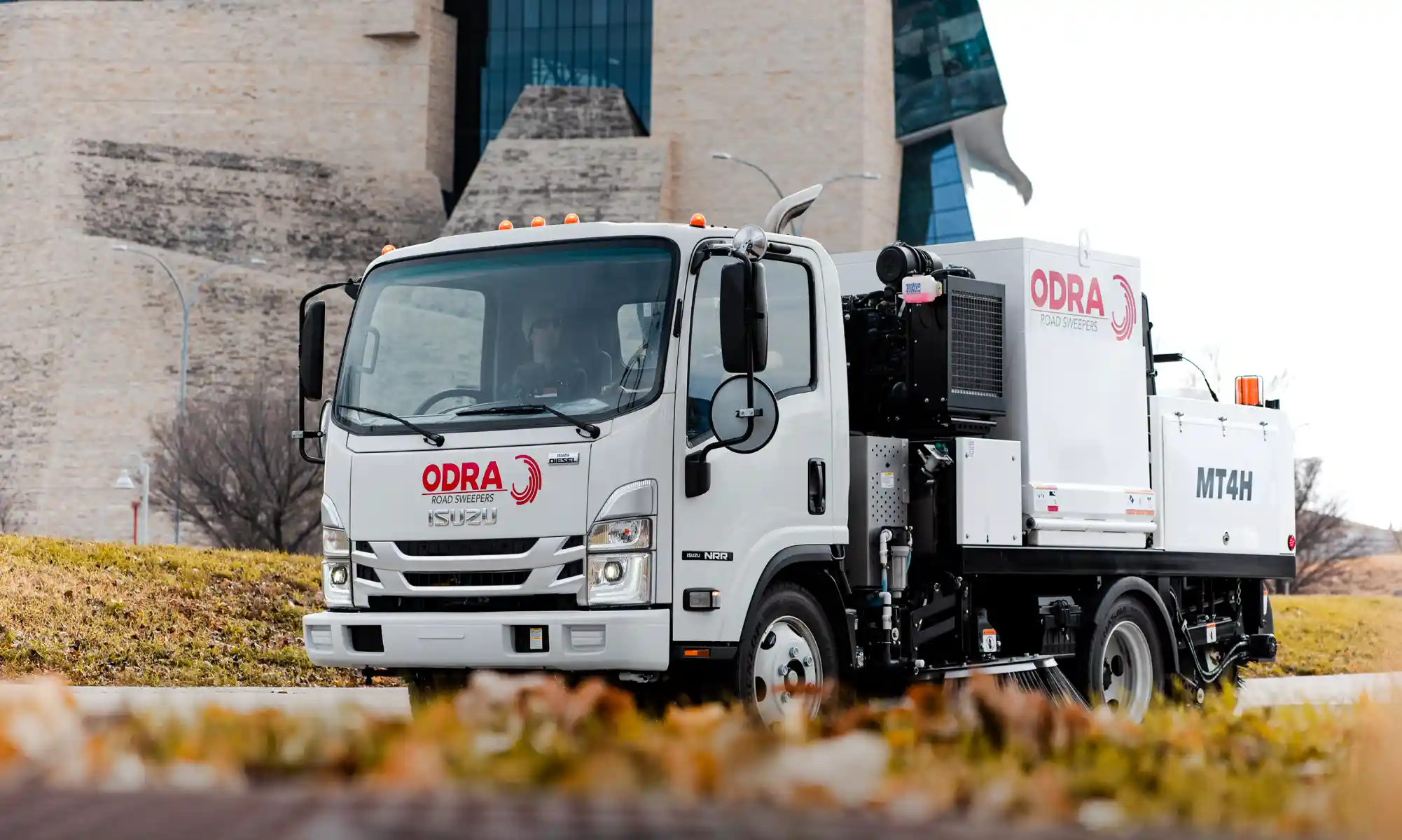
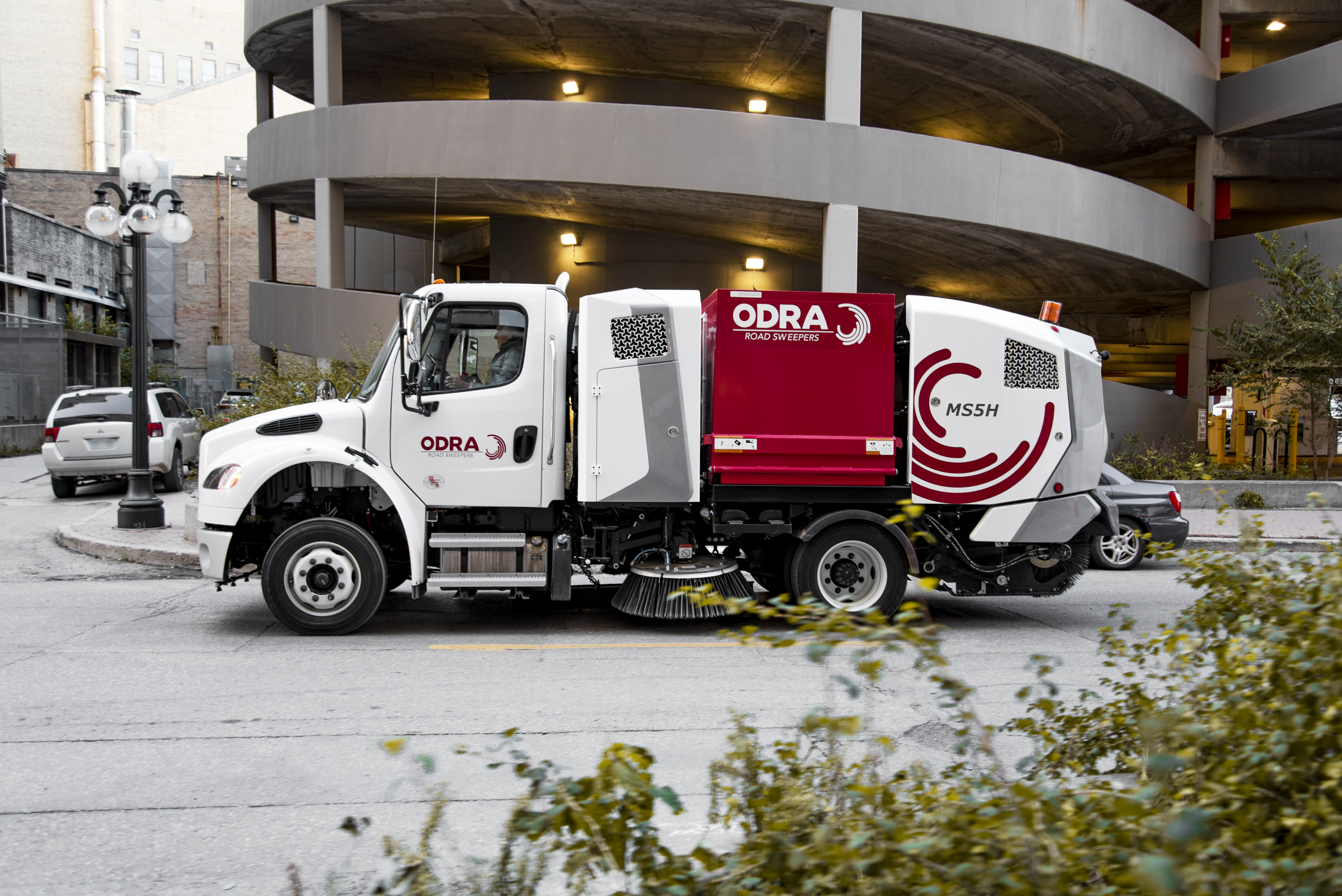
Proper maintenance of your street sweeper is essential to ensure peak performance, reduce downtime, and extend the life of your equipment. Seasonal changes bring unique challenges, from freezing temperatures to dusty summer roads. By following these seasonal maintenance tips, you can keep your sweeper running efficiently all year long.
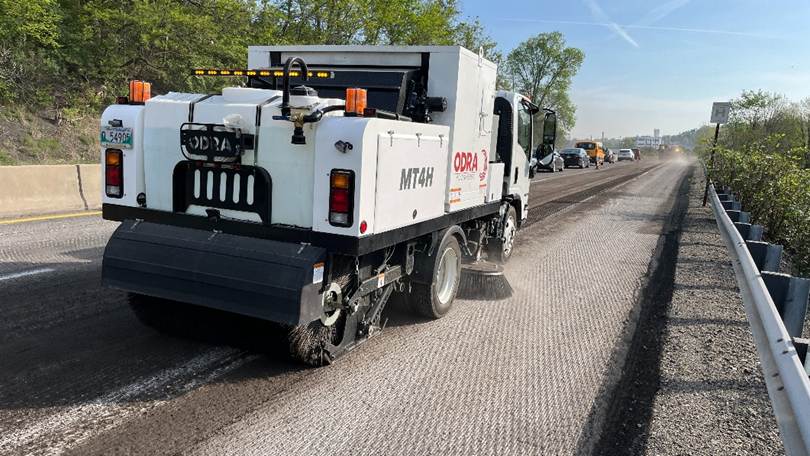
Spring often means increased debris from winter cleanup and wet conditions. Your sweeper will face everything from leftover sand and salt to early-season vegetation, so preparation is key. Here’s how to get ready:
1. Inspect Water Systems: Check spray nozzles and water pumps for clogs or leaks. Clean and replace filters as needed to ensure proper dust suppression during sweeping.
2. Check Hydraulic Lines: Winter cold can cause cracks and brittleness. Inspect hoses, fittings, and seals for wear or leaks, and replace any compromised components.
3. Clean Hopper and Conveyor: Remove any leftover salt, sand, or debris from winter operations to prevent corrosion and maintain smooth material flow.
4. Lubricate Moving Parts: Moisture and temperature fluctuations can lead to rust and stiffness. Apply grease to bearings to keep everything operating smoothly.
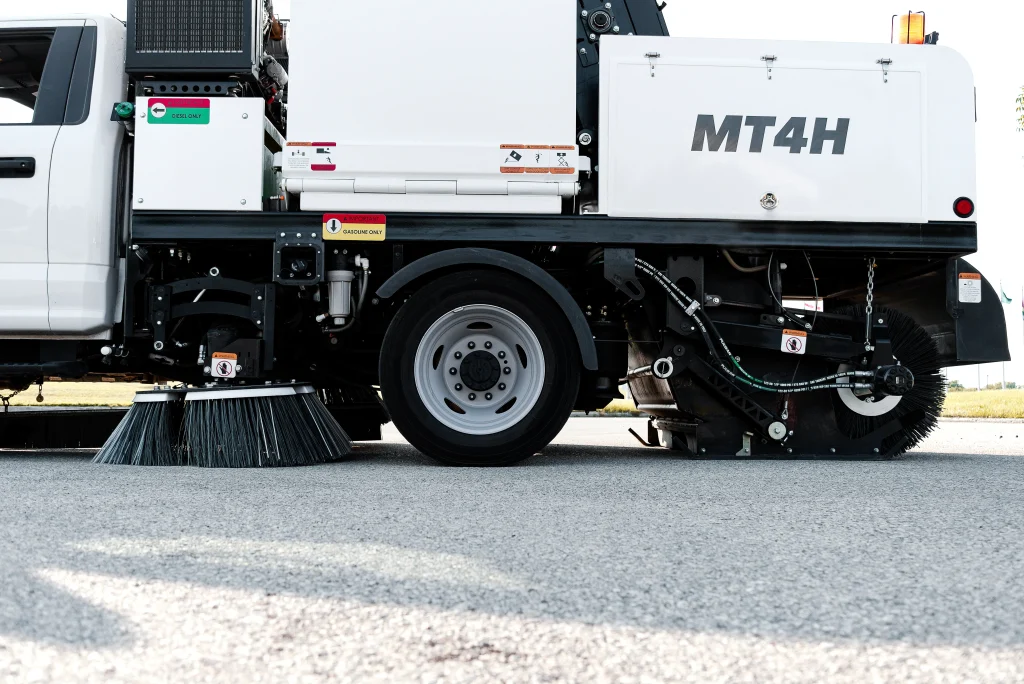
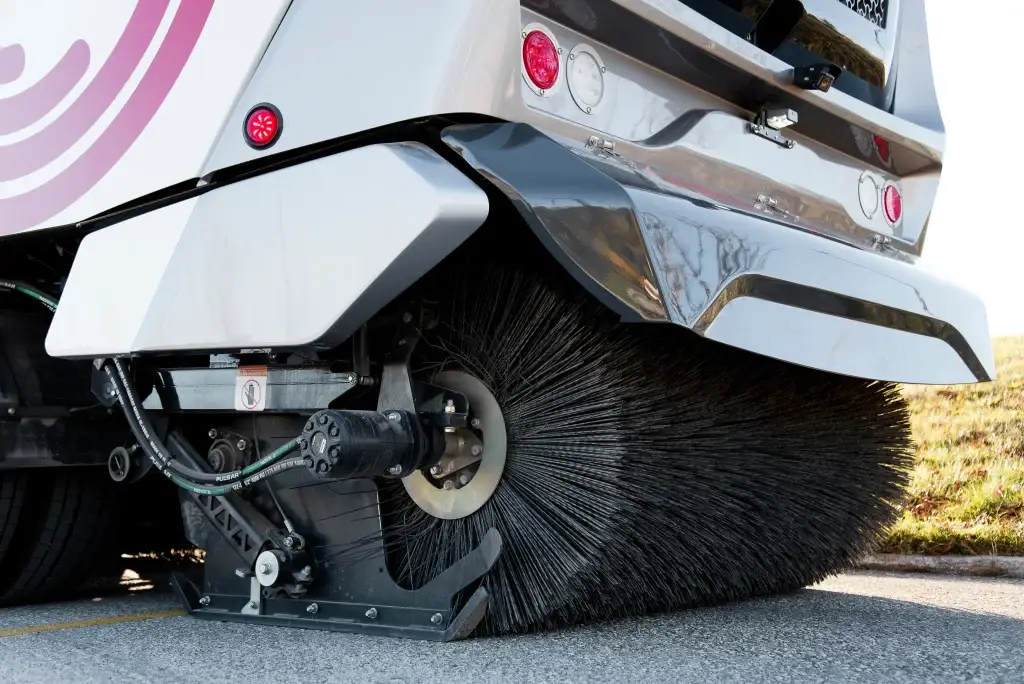
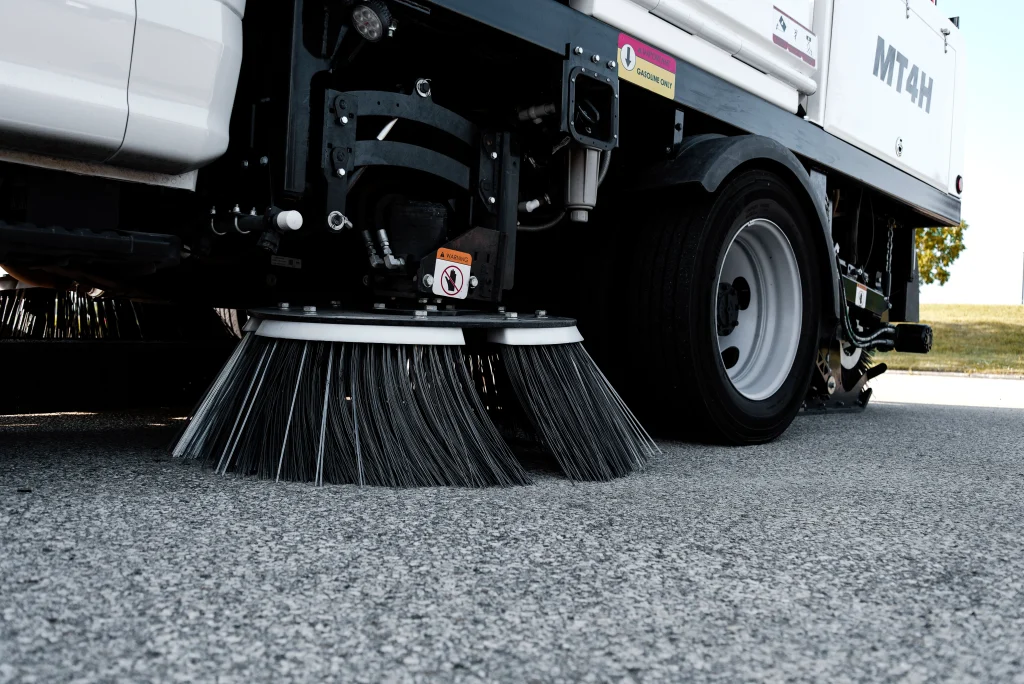
5. Replace Worn Brushes: Spring sweeping often involves heavy debris like gravel and branches. Ensure brushes are in good condition and replace any that show excessive wear for optimal sweeping performance.
6. Inspect Tires and Suspension: Winter conditions can be hard on tires and suspension systems. Check tire tread depth and pressure, and inspect suspension components for damage or wear so you can start your spring sweeping off right.
7. Test Electrical Systems: Moisture from melting snow can infiltrate electrical connections. Check lights, sensors, and wiring for corrosion or loose connections.
8. Flush and Refill Fluids: Consider flushing hydraulic and coolant systems if they’ve been exposed to harsh winter conditions. Fresh fluids help maintain efficiency and prevent contamination.

High temperatures and dry conditions can strain your sweeper and increase wear on critical components. Summer sweeping often involves dusty roads, construction debris, and extended operating hours, so proactive maintenance is essential. Here’s what to focus on:
1. Monitor Engine Cooling System: Heat puts extra stress on your engine. Check coolant levels frequently, inspect the radiator for blockages, and clean fins to ensure proper airflow. Consider flushing the cooling system if buildup is present.
2. Inspect Air Filters: Dusty conditions clog filters quickly, reducing engine efficiency and increasing fuel consumption. Clean or replace air filters regularly to maintain optimal airflow and prevent engine damage.
3. Check Tire Pressure: Hot weather can cause tire pressure to fluctuate, leading to uneven wear or blowouts. Maintain proper PSI and inspect tires for cracks or bulges caused by heat stress.
4. Grease Bearings Frequently: Increased dust means more friction and potential contamination. Apply grease to bearings more often during summer to prevent premature wear. The bearings should be greased every 8-10 hours of use.
5. Inspect Belts and Hoses: Heat accelerates deterioration. Look for cracks, fraying, or soft spots on belts and hoses, and replace any that show signs of weakness before they fail.
6. Monitor Hydraulic Fluid Levels: High temperatures can thin hydraulic fluid, reducing efficiency. Check levels and consider using a fluid rated for summer conditions.
7. Clean Cooling Fans and Vents: Dust buildup can restrict airflow and cause overheating. Regularly clean fans, vents, and screens to keep your sweeper cool.
8. Check Electrical Components: Heat and vibration can loosen connections. Inspect wiring, connectors, and fuses to prevent electrical failures during peak season.
9. Inspect Water Spray System: In dry conditions, dust suppression is critical. Ensure pumps, nozzles, and lines are functioning properly to keep dust under control.
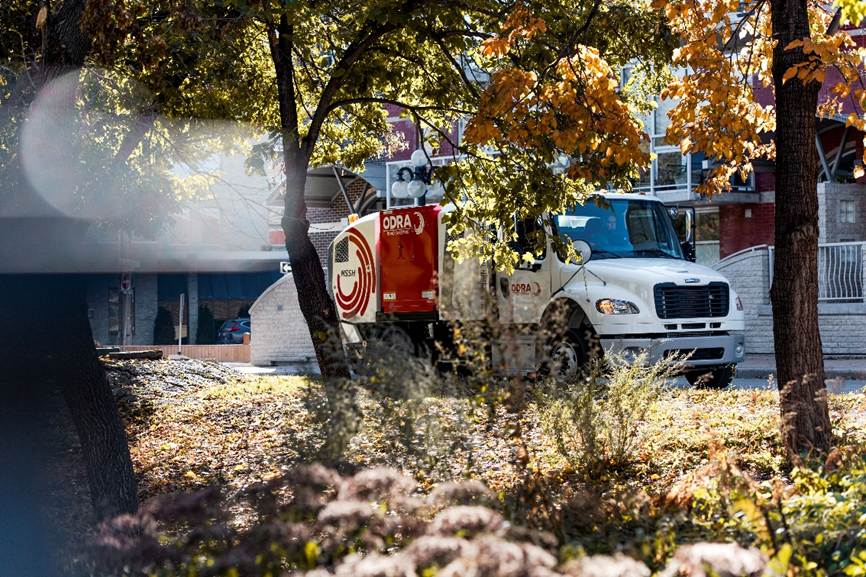
Leaves and organic debris can overload your sweeper and create unique challenges. Wet leaves add weight, while dry leaves generate dust, so proper maintenance is crucial for efficiency and safety. Here’s how to stay ahead:
1. Empty Hopper Frequently: Wet leaves can quickly increase hopper weight, putting strain on hydraulic systems and reducing maneuverability. Schedule more frequent emptying to prevent overload and avoid unnecessary wear.
2. Check Water Spray System: Dry leaves create dust that can impair visibility and air quality. Verify that spray nozzles and pumps are working properly to keep dust under control.
3. Replace Brooms: Worn brooms reduce sweeping efficiency, especially when dealing with thick layers of leaves. Inspect bristle wear and replace as needed for optimal performance.
4. Inspect Electrical Connections: Fall rains and damp conditions can cause corrosion in electrical systems. Apply dielectric grease to connectors and check for any signs of rust or loose wiring.
5. Monitor Hydraulic Fluid and Filters: Organic debris can introduce contaminants into hydraulic systems. Inspect and replace filters regularly to maintain smooth operation.
6. Check Hopper Seals and Doors: Moisture and debris can compromise seals, leading to leaks or reduced suction. Ensure all seals are intact and doors close securely.
7. Clean Air Intake and Screens: Leaves can clog air intakes and screens, reducing airflow and causing overheating. Clear these areas regularly to maintain proper ventilation.
8. Inspect Tires and Brakes: Wet, leaf-covered roads can be slippery. Make sure tires have adequate tread and brakes are functioning properly for safe operation.
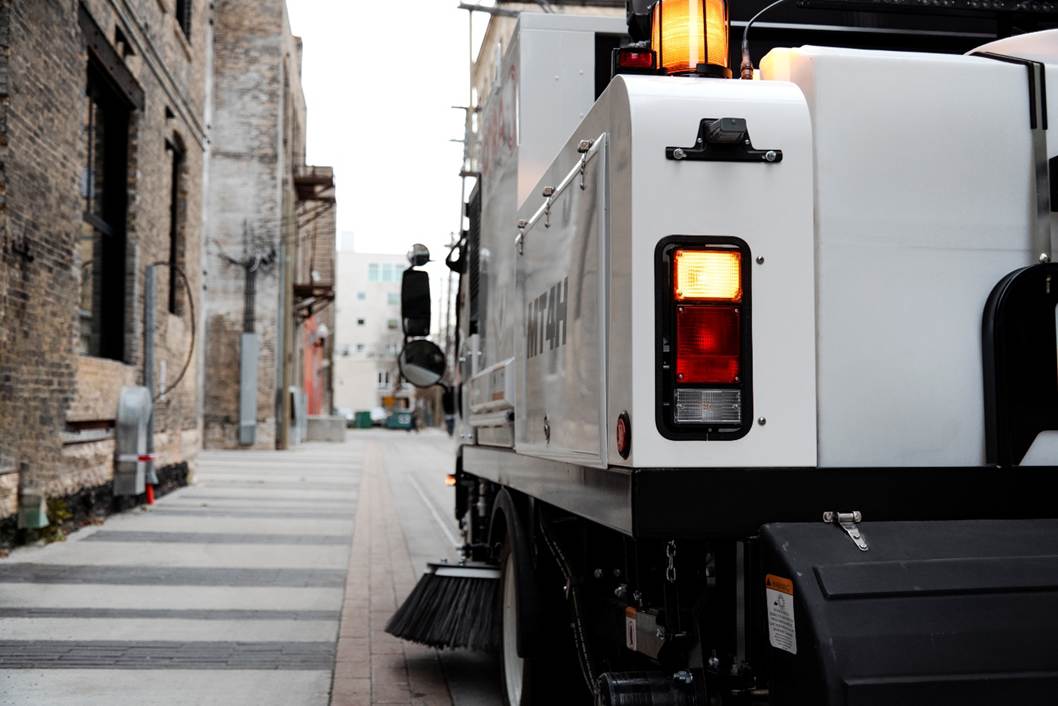
Cold weather brings unique challenges for sweepers, from frozen water systems to reduced battery performance. Proper winterization ensures your equipment stays reliable and avoids costly damage. Here’s what to focus on:
1. Drain Water Systems: Freezing temperatures can crack tanks, pumps, and lines. Completely drain water tanks, hoses, and spray systems after each use to prevent ice buildup and costly repairs.
2. Use Winter-Grade Hydraulic Fluid: Standard hydraulic fluid can thicken in cold weather, reducing efficiency. Switch to a winter-grade fluid designed for low temperatures to maintain smooth operation.
3. Inspect Battery Health: Cold weather reduces battery capacity and starting power. Test battery voltage, clean terminals, and keep batteries fully charged. Consider using a battery warmer for extreme conditions.
4. Check Tire Tread and Pressure: Adequate tread ensures traction on icy or snow-covered roads. Monitor tire pressure frequently, as cold temperatures can cause PSI to drop.
5. Store Indoors When Possible: Parking your sweeper in a heated or sheltered space protects it from snow, ice, and freezing reducing wear and corrosion.
6. Inspect Electrical Systems: Moisture and salt can corrode wiring and connectors. Apply dielectric grease and check for any exposed or damaged wires.
7. Lubricate Moving Parts: Cold weather can stiffen grease and increase friction. Use lubricants rated for low temperatures to keep bearings and joints moving freely.
8. Check Engine Block Heater: If your sweeper is equipped with a block heater, test it before temperatures drop to ensure reliable cold starts.
9. Flush and Replace Coolant: Ensure coolant is rated for freezing conditions to protect the engine from freeze damage.
While seasonal maintenance is essential, some tasks should be part of your regular routine to keep your street sweeper performing at its best. These checks don’t need to happen daily, but scheduling them every few weeks or months will help prevent costly breakdowns and extend the life of your equipment.
· Keep a Maintenance Log: Document inspections, fluid changes, and repairs. A detailed log helps track patterns and ensures nothing gets overlooked.
· Train Operators: Proper operation reduces unnecessary wear and tear. Regular refresher training can prevent misuse and improve efficiency.
· Schedule Professional Service: Even with diligent in-house maintenance, periodic professional check-ups are critical for catching issues early.
· Recurring Checks: Tasks like inspecting electrical connections, monitoring hydraulic fluid, and checking for leaks should be done every few months, not just seasonally.
· Plan Ahead: Before peak sweeping seasons, review your maintenance schedule and stock up on essential parts like brushes, filters, and fluids.
By combining seasonal care with consistent year-round attention, you’ll maximize uptime, improve performance, and protect your investment.
So, are you ready to keep your sweeper in top shape? Contact ODRA for expert service and genuine parts to ensure your equipment performs at its best, season after season.